Advanced Leak Detection: Guard Your Home Against Hidden Water Damage
Proper leak detection serves a vital purpose in keeping a home in good condition. Undetected water damage often causes substantial financial burdens and potential health concerns. Homeowners often overlook early signs, such as unexplained stains or musty odors. By understanding these indicators and employing advanced detection methods, they can protect their property. Yet, a large number of homeowners are still uninformed about the best methods and resources at their disposal. What measures should homeowners adopt to ensure their property remains protected from these hidden dangers?
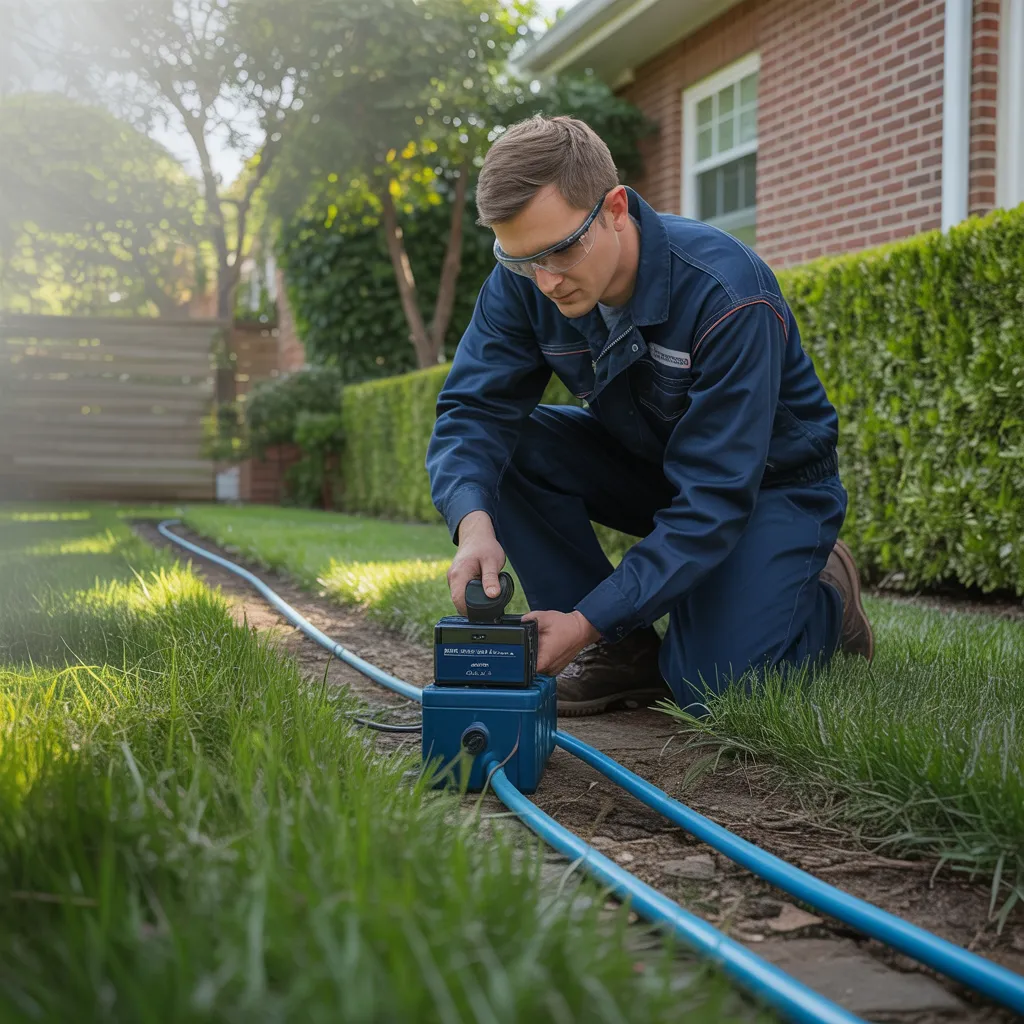
Why You Should Prioritize Leak Detection
Why should homeowners prioritize leak detection? Homeowners must recognize that undetected leaks can result in significant structural damage and costly repairs. The infiltration of water can undermine the stability of walls, foundations, and electrical systems, creating dangerous living environments. Additionally, prolonged moisture can foster mold growth, which poses health risks to occupants.
Prioritizing proactive leak detection not only safeguards the home but also enhances property value. Through the early detection of leaks, homeowners can mitigate potential damage, effectively eliminating the financial strain linked to significant repairs. Regular inspections and advanced detection technologies can uncover hidden issues that may otherwise go unnoticed. In the end, focusing on leak detection ensures the durability of the home and promotes a safer, healthier living space. By remaining attentive, homeowners can preserve their investment and sustain peace of mind.
Typical Indicators of Water Leaks You Should Identify
Although water leaks may start small, their indicators can grow more obvious if ignored. Homeowners should be vigilant for several common indicators of water leaks. One noticeable sign is the presence of water stains on ceilings or walls, which can manifest as brown or yellowish marks. Moreover, damp or stained areas on the floor can point to underlying moisture problems beneath.
Another red flag is the presence of dripping or running water sounds when every fixture has been shut off. A dramatic spike in the monthly water bill, with no clear explanation, can also point to hidden plumbing leaks. Mold or mildew growth in locations like basements or bathrooms is an additional serious indicator of persistent moisture issues. In addition, distorted or buckled flooring may indicate prolonged water exposure. By recognizing these signs early, property owners can act proactively to avoid extensive damage and expensive repairs.
Essential Methods for Effective Leak Detection
Recognizing water leaks early is essential for keeping a home in good condition and avoiding significant damage. Multiple techniques are accessible for effective leak detection, accommodating a range of needs and circumstances. Physical examinations commonly function as the primary safeguard; property owners can examine for evident clues including water discoloration or mold formation. Thermal imaging technology is yet another approach that applies infrared detection to identify temperature variations, exposing unseen leaks beneath wall or ceiling surfaces.
Acoustic leak detection uses sound waves to locate leaks, making it especially effective for hidden or underground pipes. Pressure testing entails monitoring the pressure within plumbing systems to identify inconsistencies that signal potential leaks. Moreover, moisture meters are capable of measuring dampness in materials, supplying quantitative data on probable leak sources. Each of these techniques provides distinct benefits, enabling homeowners to choose the most suitable approach for their specific needs and ensuring proactive measures against water damage.
Selecting Effective Leak Detection Tools for Your Home
How do homeowners make certain they possess the correct equipment relevant resource for successful leak detection? Picking suitable tools is vital for detecting hidden leaks prior to them causing considerable damage. Essential equipment consists of moisture meters, which evaluate humidity levels in walls and floors, aiding in locating damp zones. Thermal imaging cameras are equally useful, as they identify temperature differences, suggesting possible leaks beneath surfaces.
Furthermore, acoustic detection tools can recognize the audio signal of water escaping from plumbing lines. Those who opt for hands-on approaches, standard dye assessments are effective for detecting toilet leaks. Property owners should additionally look into purchasing intelligent leak monitoring systems that offer real-time alerts through smartphone applications. Ultimately, understanding the unique demands of their home and the different potential plumbing problems will help property owners in determining the most appropriate leak detection tools, ensuring they are well-prepared to avoid costly water damage.
Establishing Preventative Actions to Combat Water Damage
Water-resistant materials in basements, kitchens, and bathrooms can further reduce the risk of damage. Homeowners should also think about installing moisture detectors, which can provide early warnings of leaks. Strategic landscaping, including grading the ground away from the home, can help channel water away from the foundation. In the end, keeping indoor humidity levels in check can help prevent mold growth, which frequently results from undetected water problems. By adopting these proactive strategies, homeowners can substantially decrease the risk of costly water damage.
When Is It Time to Call a Professional for Leak Detection?
When is it essential to seek professional assistance for leak detection? Residents should think about contacting a specialist when they detect ongoing moisture spots, unexplained increases in water bills, or a persistent musty smell that remains even after thorough cleaning. Moreover, should water stains begin to form on ceilings or walls, this could be a sign of a concealed leak that demands specialized diagnostic equipment. Professionals possess the expertise and equipment, such as thermal imaging cameras and moisture meters, to identify the source of the problem accurately.
Additionally, if self-directed repair efforts have not yielded results, consulting a qualified professional is strongly recommended to prevent further damage. Properties featuring aging pipework or newly completed remodeling work face an elevated likelihood of experiencing leaks, underscoring the value of a qualified professional's review. In the end, timely intervention by a leak detection specialist helps homeowners avoid substantial repair costs and serious water damage down the line.
Commonly Asked Questions
How Frequently Should I Inspect My Home for Leaks?
Residents should look for water leaks at least twice a year, ideally during seasonal changes. Periodic evaluations assist in detecting problems before they worsen, limiting the extent of damage and associated expenses associated with hidden water leaks throughout the property.
Can Leaks Occur in Appliances Like Dishwashers or Refrigerators?
Indeed, leaks may develop in home appliances such as dishwashers and refrigerators. With regular use, seals can deteriorate or hoses can become damaged, leading to potential water damage if not regularly inspected and maintained.
What Long-Term Damage Can Undetected Water Leaks Cause?
Undetected water leaks are capable of causing severe structural damage, mold growth, increased utility bills, and health problems. As time passes, these issues can worsen, leading to expensive repairs and a potential decrease in property value.
Are Leaks More Likely to Happen During Certain Seasons?
Leaks are more likely throughout the winter months, due to freezing temperatures causing pipes to burst, and throughout the spring season, when thawing snow combined with intense rainfall may exceed drainage capacity. Awareness of these seasonal patterns aids in preventive measures.
How Can I Determine if My Water Meter Is Detecting a Leak?
To check whether a water meter is showing a leak, it is advisable to record the meter reading before and after a time of no water consumption. A difference in the reading points to a likely leak somewhere in the system.